
Assessment and Services
Elevator assessments help you identify if your elevator is performing at an optimal level and whether it's compliant with applicable codes and regulations. They help you improve safety while extending your equipment's lifespan. At ATIS, we can help you assess elevator units through our hydraulic oil testing, due diligence services, condition assessments, and door lock monitoring assessments.
Maintaining a safe and efficient building starts with professional elevator assessments to understand the condition of your vertical transportation systems. ATIS provides a full range of elevator and escalator assessments, including elevator hydraulic oil testing and comprehensive due diligence services. Whether you manage a single building or a large portfolio, our unbiased third-party experts deliver actionable insights that keep your equipment compliant and performing optimally.
We offer a variety of Assessments and Services for your every need. Inspections, maintenance evaluations, due diligence, hydraulic oil testing, and more!
What Are the Benefits of Elevator and Escalator Assessments?
Regular elevator and escalator assessments are vital for ensuring safety, compliance, and long-term value. Frequent elevator and escalator maintenance assessment services can:
Improve safety: We uncover hidden issues during property acquisition with an elevator or escalator due diligence assessment. Our services help you identify potential safety hazards, such as issues uncovered through elevator door lock monitoring.
Ensure compliance: We help you confirm compliance with changing regulatory standards, including local and American Society of Mechanical Engineers (ASME) requirements.
Extend lifespan: We extend equipment lifespan and reduce costly emergency repairs with proactive elevator hydraulic oil testing.
Simplify capital planning: Our services support capital planning through accurate budgeting for upcoming repairs or replacements.
Provide peace of mind: We provide peace of mind for building owners, managers, and tenants by demonstrating a proactive approach to safety and maintenance.
Hydraulic Oil Testing
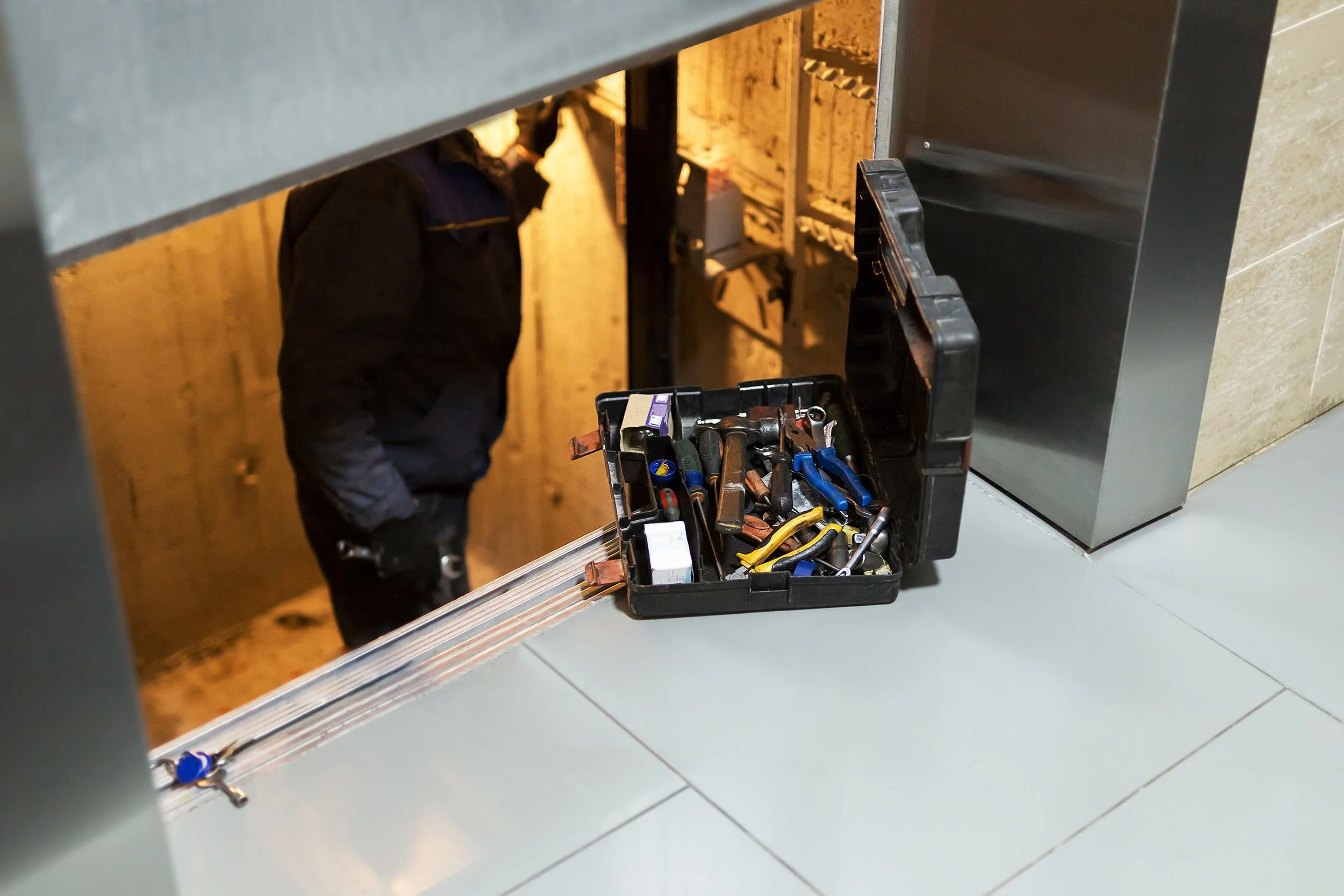
Research shows that 80% of all oil-related failures and breakdowns are caused by contaminated oil (CC Jenson). For hydraulic elevators, oil is essential to proper operation. Most often, the elevator’s power unit oil will last the lifetime of your equipment, but if it is contaminated, it can result in failures of components, like seals, valves, submersible motors, and piston rods.
Since uncontaminated oil lasts many years (or forever), before replacing your oil, get an independent oil test from an unbiased third party.
Our elevator hydraulic oil testing service evaluates the condition of your power unit’s oil, helping to prevent component failure and unnecessary replacements. By scheduling regular oil tests with ATIS, you can avoid premature wear to seals, valves, submersible motors, and piston rods, protecting your investment and facilitating smooth, uninterrupted operation.

Due Diligence
Elevators are the most expensive asset in a building. As a buyer, our elevator due diligence services help you understand the equipment’s precise current condition, potential liabilities, and future costs.
In a Due Diligence Assessment, our engineers and experts conduct a comprehensive analysis of the equipment and components. This allows you to avoid future costly surprises and leverage unbiased data to negotiate the purchase price based on the assets’ real value.
ATIS engineers conduct a thorough evaluation of all major equipment and components. This service allows you to negotiate with accurate data and avoid future surprises, helping protect your bottom line.
Condition and Maintenance Assessments
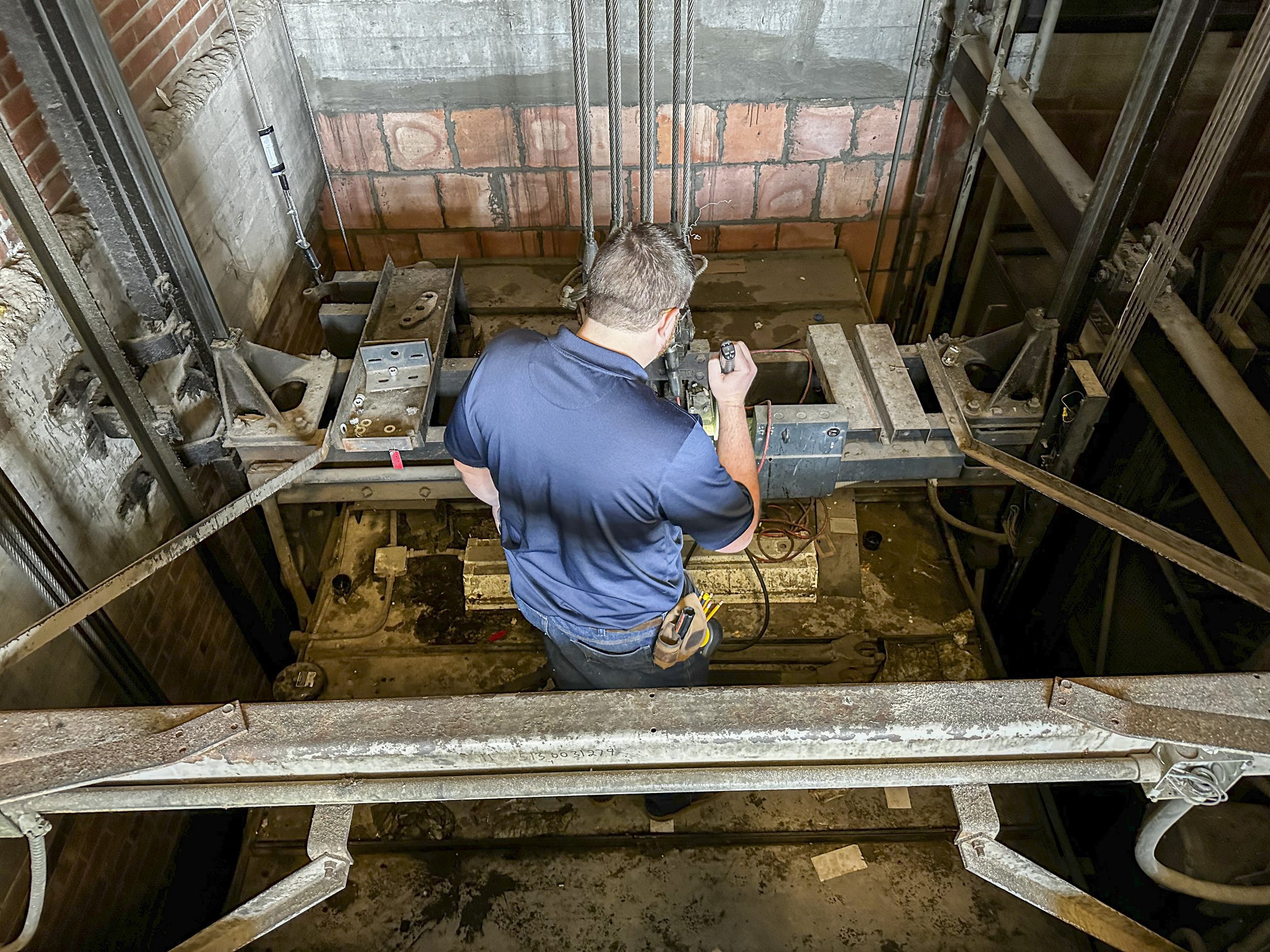
Condition and Maintenance Assessments will help guide future decisions regarding your maintenance provider and service level, help with capital planning, and could eliminate unnecessary shutdowns. Get an expert, unbiased analysis of your elevator and escalators’ maintenance and lifespan.
Our specialists deliver detailed reports on the condition of your systems, your existing maintenance practices, and projected needs. With this information, you can optimize maintenance contracts, plan for upgrades, and avoid unscheduled shutdowns that disrupt business operations.
Door Lock Monitoring Assessments
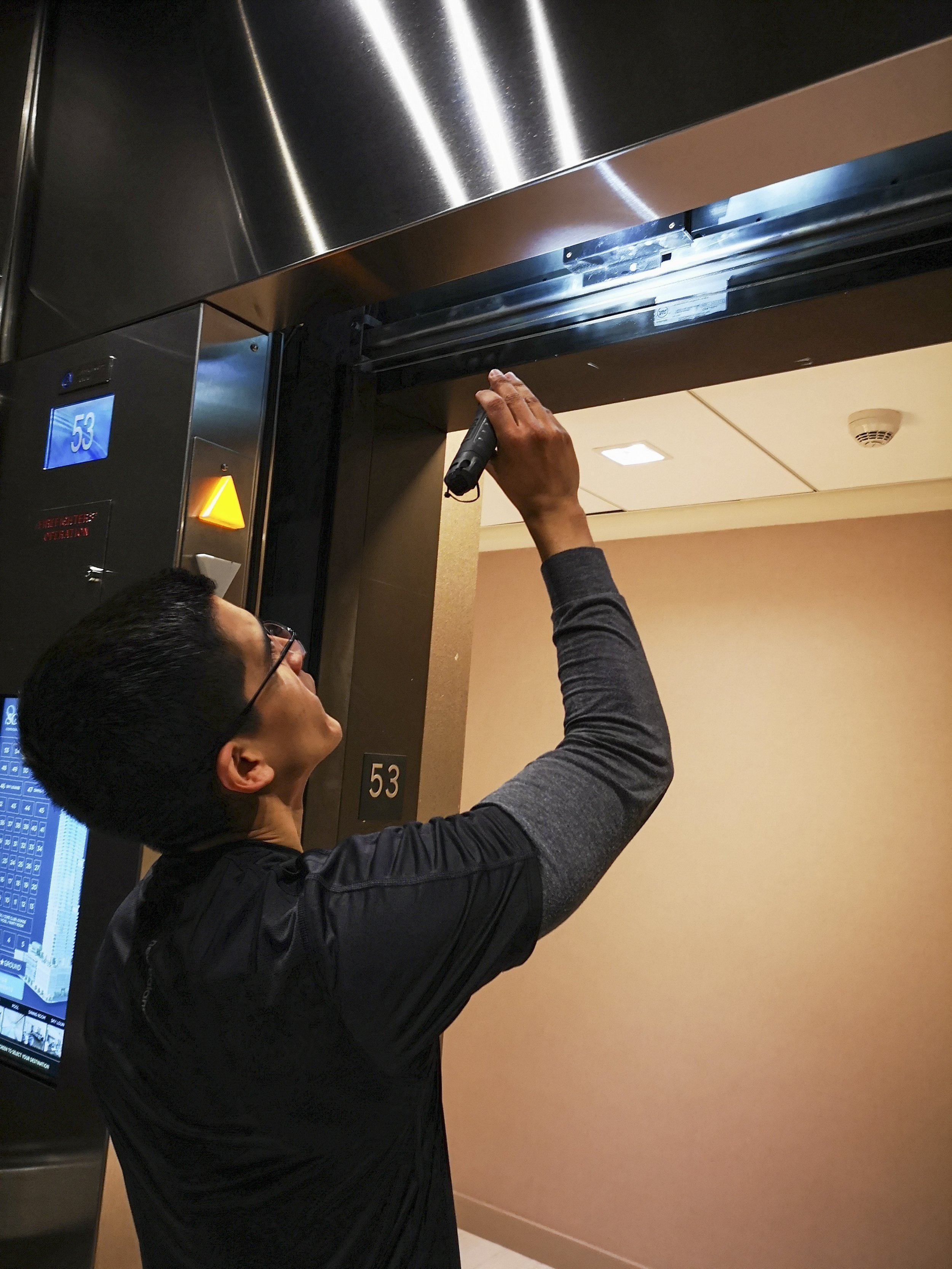
Door Lock Monitoring (DLM) systems keep elevators fully locked in place until the doors are closed. Some jurisdictions already require DLM in accordance with ASME A17.3. Other jurisdictions are adopting this critical safety requirement.
ATIS uses elevator door lock monitoring assessments to verify compliance and offer straightforward recommendations. Our inspection will determine the DLM compliance status, then we will advise you on the most cost-effective options. Let us give you unbiased guidance so you can better protect building occupants and maintain regulatory adherence.

Frequently Asked Questions
Property owners and facility managers looking for elevator assessments typically ask the following questions:
-
The best due diligence checklist for evaluating elevator assets during property acquisitions includes the following steps:
Review installation and equipment information: Installation dates help determine which code governs elevator units, such as ASME A17.1, Safety Code for Elevators and Escalators, or ASME A17.3, Safety Code for Existing Elevators and Escalators. Regulatory testing requirements are also often based on installation date cut-offs. The elevator type, whether it's a hydraulic or electric elevator, determines which parts could fail and the maintenance requirements. This information can help you estimate the elevator's remaining useful lifespan, offering leverage to negotiate pricing.
Confirm regulatory compliance: ASME is a private, nonprofit standards-development organization, but regulatory requirements typically follow its standards. To ensure compliance, look at each elevator unit's Certificate of Operation. This certification is issued after passing a safety inspection. Watch out for unresolved violations based on the most recent inspections.
Analyze the elevator's maintenance history: A maintenance control program (MCP) is a written plan that specifies maintenance requirements. These requirements are unit-specific. For instance, an elevator used in a school building can have a different MCP from the same model used in an office building. Acquire the service logs and repair invoices to determine whether the MCP was actually followed.
-
There's no legal requirement for how often elevators should be assessed, provided you're opting for advisory evaluations. These assessments are triggered by events, such as purchasing a new building and evaluating a new maintenance provider. Assessments are different from government-mandated inspections. The frequency of mandated inspections is based on the applicable code and local regulations.
For instance, in New Jersey, visual checks must be performed at least every six months, in addition to other maintenance schedules. States typically follow testing requirements for Category 1 (annual) and Category 5 (every five years).
-
Common signs of hydraulic oil contamination in elevators include:
Unusual odors and gel-like varnish: Watch out for strong chemical odors or a rotten smell. Oil that oxidizes over time can also leave a gel-like texture on the components.
Knocking or grinding sounds: When the pump doesn't have enough oil to operate, it draws in air instead, damaging components.
Slow travel or sluggish response time: Poor oil condition can cause cars to take longer to move between floors.
Heat buildup: When the oil loses its ability to transfer heat away from moving parts, it can result in elevated oil or machine room temperature.
Hydraulic oil testing for elevators can help you determine the state of your elevator oil.
-
The DLM requirement states that an elevator must prevent automatic operation or car movement when the system detects a fault with the door lock or gate switch. This safety feature helps prevent the elevator from moving when the car or hoistway doors are not properly secured. Because DLM requirements vary by jurisdiction, confirm the applicable code requirements for your elevator before planning upgrades.
Get an Expert Assessment Today
Elevator and escalator assessments are essential for maintaining safe, reliable, and code-compliant transportation systems in your building. Whether you need elevator hydraulic oil testing, a thorough due diligence report, or an escalator maintenance assessment, ATIS has the experience and expertise to help. Take the next step to protect your investment and schedule your assessment today.
From Our Clients
Case Studies