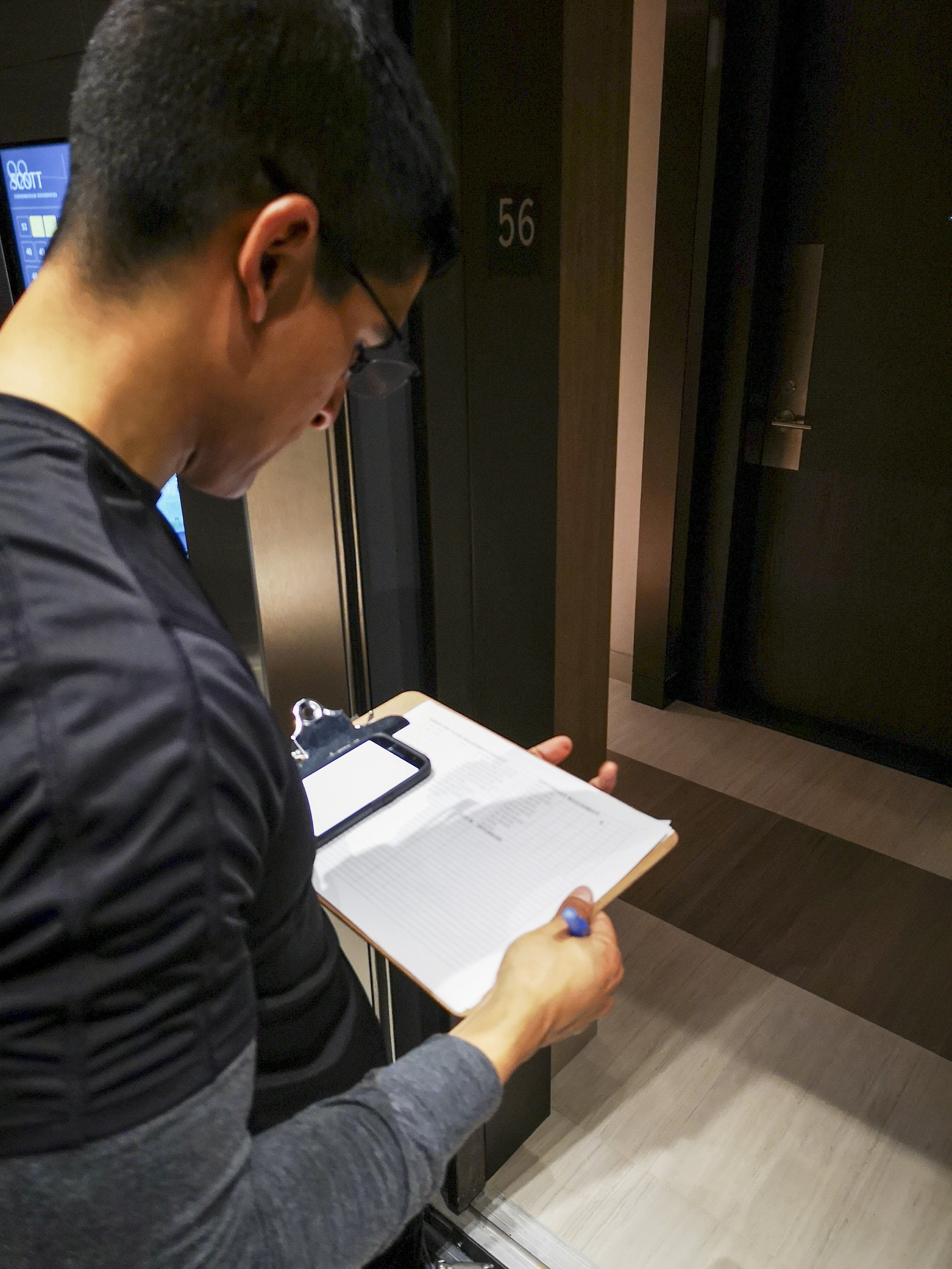

Elevator Due Diligence Assessments
Before Purchasing an Elevator or Escalator
Due Diligence Assessments
Elevators and escalators are investments that impact a building's safety, operational costs, and asset value. An elevator or escalator due diligence assessment is essential whether you’re acquiring, selling, or managing commercial property. ATIS delivers independent, expert insights that empower building owners, real estate brokers, and asset managers to make informed decisions, avoid unexpected liabilities, and negotiate more effectively during a property transaction.
Here's how our due diligence assessments can benefit you:
Financial Risk Mitigation and Capital Planning
Assessments uncover deferred maintenance, obsolete components, or failing systems like motors or controllers that the seller may have failed to disclose. They provide a clear picture of the equipment's remaining useful life and necessary, immediate, or upcoming capital expenditures, allowing for informed purchase price negotiations. They also prevent premature upgrades by determining whether a modernized elevator actually has partial, obsolete, or poorly installed components, saving you from unnecessary remodernization.
Safety and Code Compliance
Our due diligence assessments identify critical safety issues, such as inoperable brakes or failing doors, that could lead to accidents, lawsuits, and higher insurance premiums. They validate that the equipment meets current ASME A17.1 safety codes and local regulations, helping minimize the risk of expensive fines, shutdowns, or violations. Unlike a standard annual safety inspection, which only checks for minimum compliance, a due diligence audit provides a deep, independent technical review.
Operational Performance and Efficiency
Our proactive assessments identify potential issues before they cause service interruptions. These assessments evaluate ride quality, traffic flow, and wait times to ensure the system adequately serves the building.
Know Your Equipment’s Real Condition and Liabilities
Our Due Diligence Assessment Includes:
Extensive inspection of elevator equipment and components
Analysis of past maintenance and inspection records
Written assessment of condition
Written evaluation of the existing maintenance program
Estimated lifespan of equipment
Basic capital planner
Elevator systems represent a significant investment within a building. Buyers need to clearly understand their current condition, potential liabilities, and projected future expenses.
ATIS engineers and experts will perform a comprehensive due diligence assessment that analyzes all equipment and components. We'll then present you a report that empowers you to preempt costly future issues and utilize objective data to negotiate a purchase price that reflects the asset's true worth.
When should you consider a due diligence assessment?
You are purchasing a building and want to know what you are getting for your money
You are selling a building and want to avoid a long inspection period during the sale
You need a building acquisition elevator or escalator assessment for better negotiation leverage
Pre-Purchase and Pre-Acquisition Inspection Services
Don’t finalize your real estate elevator or escalator inspection without an ATIS expert. Our elevator and escalator pre-purchase inspection services provide actionable intelligence and help protect you from expensive surprises after closing.
ATIS goes beyond inspections by offering real estate elevator and escalator consulting at any stage of your property transaction or ongoing asset management program. Whether you need a single building purchase elevator inspection or a scalable approach across multiple properties, our nationwide team delivers results you can rely on.
Why Trust Us With Your Elevator Needs
Without an independent third-party assessor, you risk relying solely on a vendor who doesn't have your best interests in mind. We help you make data-backed decisions by assessing elevator health, reviewing maintenance records, and sharing any recommended modifications.
We have extensive experience working with property owners and inspect more than 100,000 elevators and escalators annually. Whether you need assistance evaluating equipment, improving elevator performance, or managing a national portfolio, ATIS is your trusted partner.
Frequently Asked Questions
Here are some commonly asked questions you may have if you're a property owner or facility manager considering due diligence services:
How can I create an effective due diligence checklist for my elevator assets?
A due diligence checklist for evaluating elevators before buying a property should include:
Physical condition: Perform extensive assessments of the elevator system and its components. Consider the elevator's expected lifespan and document the findings.
Safety and code compliance: Determine any critical safety issues, such as failing doors or inoperable brakes. The system must meet ASME A17.1 standards and local AHJ regulations.
Inspection and maintenance records: Analyze past inspection and maintenance records to identify any deferred maintenance and failing systems.
Previous expenses and future expenditures: Past repairs and replacements can indicate an elevator's expected lifespan.
Including these items in your due diligence checklist can help determine an elevator's anticipated lifespan, needed repairs, and safety, which can influence price negotiations. Knowing what your elevators need can help you anticipate future performance and plan for capital expenditures.
What should I look for when reviewing an elevator maintenance contract before purchasing a property?
When reviewing an elevator maintenance contract before purchasing a property, determine:
Testing and maintenance coverage: Is testing covered or billed separately? Preventive maintenance, such as planned adjustments, should be separate from reactive maintenance, such as repairs, to avoid either work type from being excluded. Some contracts include parts and labor in the pricing, but be sure to note any expensive components that are excluded. Pricing for services outside the scope should be capped.
Limitations from obsolescence clauses: Some vendors bill separately for parts they no longer manufacture or support and can declare components obsolete even years before your elevator's expected end of life. The contract should clearly define obsolescence to avoid unnecessary modernizations. Aftermarket parts replacements are often available and should be usable once manufacturer components are determined as obsolete.
Performance standards: The contract should clearly define performance benchmarks, such as acceptable response times and elevator uptime. Missed benchmarks should have ramifications.
Termination and renewal requirements: Be aware of automatic renewals. Ensure you can terminate the contract for nonperformance.
Evaluating elevator contracts can seem daunting, especially when you're managing multiple properties. Let ATIS handle the analysis and make recommendations that serve your interests and not the vendor's.
How can I determine the remaining useful life (RUL) of an elevator during acquisition?
To determine the RUL of your elevator, you need to know the elevator's expected useful life (EUL). Manufacturers, assessors, and industry standards typically establish their baseline. Calculate the RUL by subtracting the elevator's actual age from the EUL. For example, if the elevator was installed 15 years ago and has a 25-year EUL, the estimated RUL is 10 years.
An elevator's actual lifespan depends on many factors, such as daily traffic and replacement needs. A full assessment can provide a more accurate estimate and facilitate better capital planning.
Contact Us Today
Ready to schedule an assessment or learn more about your unique project? Get your pre-acquisition review and ensure your target property's elevator systems won't become a hidden liability.
Additional Assessments Available
Contact us for multiple services discounts, such as:
Door Lock Monitoring: Many states currently mandate door lock monitoring safety features. Our assessments will verify if your equipment meets these compliance standards. Learn more about our door lock monitoring assessments.
Condition/Maintenance: ATIS's condition and maintenance assessment provides a thorough evaluation of your equipment's operational performance, maintenance quality, and projected lifespan.
Hydraulic Oil Testing: Maintaining clean oil is critical for hydraulic elevator systems, which is why we recommend scheduling an oil test.
From Our Clients
Case Studies