
Elevator Planning for New Construction: Avoiding Costly Design Mistakes
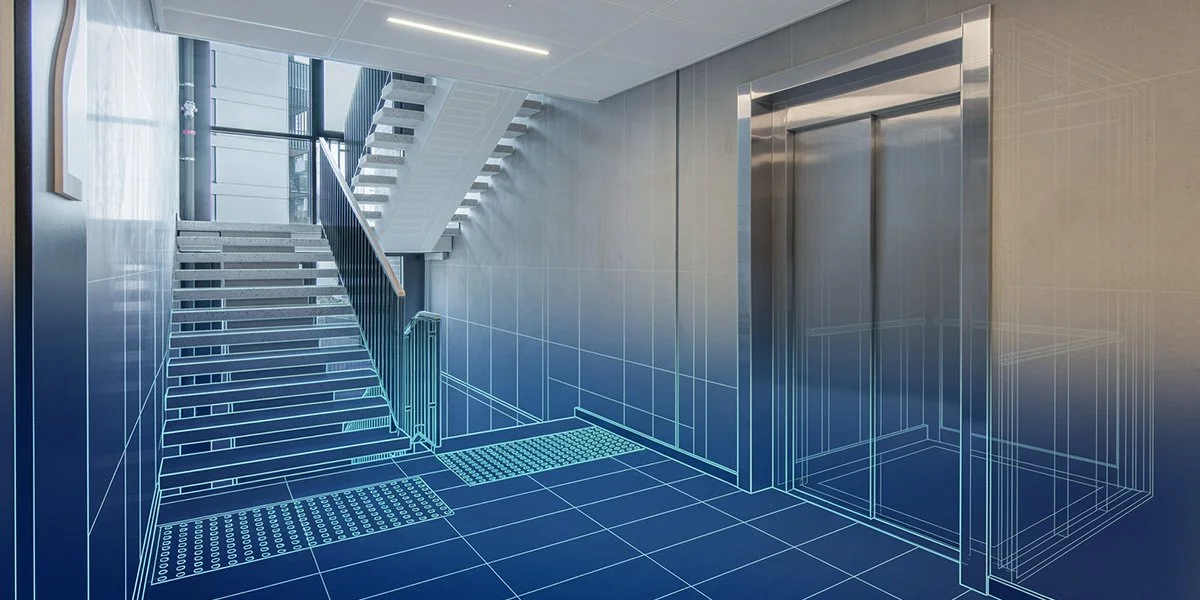
When elevator planning happens too late in new construction, the consequences are costly — torn-down walls, reworked electrical systems, reinforced foundations, and failed inspections that halt progress entirely.
The root cause is treating elevators as equipment rather than infrastructure. Finalizing architectural plans without locking in hoistway dimensions, pit depths, and code-compliant clearances sets the stage for change orders that derail timelines and budgets.
Common Elevator Design Mistakes That Lead to Cost Overruns
Failing to plan the physical space and technical requirements for elevators early in the architectural process is a guaranteed way to bust a construction budget. When aspects like structural loads and electrical infrastructure aren't locked in before walls go up, you're building expensive problems into your foundation.
Hoistway Dimensions and Shaft Sizing
Finalizing shaft sizes before architectural layouts are locked is critical for structural integrity. The hoistway is a precisely engineered vertical corridor that must accommodate the cab, guide rails, counterweights, and safety equipment. Underestimating these dimensions by even a few inches forces structural rework that can cost tens of thousands of dollars and delay other trades waiting on a plumb, square shaft.
Pit Depth and Overhead Clearance
This below-ground space houses buffers, tension sheaves, and hydraulic cylinders, depending on your equipment type. Inadequate pit depth affects waterproofing strategies and foundation design, requiring expensive excavation after concrete is poured.
Overhead clearance presents the same challenge. Modern traction elevators need specific headroom for machinery, guide rail overtravel, and emergency egress equipment. Discovering clearance shortfalls during installation means costly roof modifications.
Electrical and HVAC Infrastructure
When planning elevator construction, you must account for dedicated power supplies and HVAC needs for machine rooms during schematic design, before drywall installation.
Elevator controllers draw substantial current, requiring dedicated circuits sized for the specific equipment. Machine rooms and traction equipment generate heat that requires management through dedicated HVAC systems. Retrofitting these systems after construction means expensive change orders.
Structural Load Requirements
Structural load-bearing requirements vary dramatically by elevator type. A traction system's overhead machine loads concentrate differently than a hydraulic cylinder's pit loads.
If your structural engineer designs beams and footings without knowing which equipment you're installing, you may discover inadequate support during the elevator contractor's review. As a result, you'll have to invest in expensive structural reinforcement and delays in coordination for elevator construction.
Selecting the Right Elevator Type for Different Building Uses
There's no one-size-fits-all vertical transportation solution. Choosing the wrong elevator type leads to tenant complaints, high maintenance costs, and traffic bottlenecks that degrade your building's value from day one.
Traffic Analysis: Predicting Occupant Flow
Handling capacity and interval times must be calculated during early design phases to prevent lobby bottlenecks or wasted space. Handling capacity measures how many passengers your elevators can move in five minutes during peak periods. Interval time tracks how long occupants wait for the next available cab.
Usage peaks differ drastically depending on building type. Commercial offices experience sharp morning arrival surges and evening departure rushes, while hospitals need consistent capacity throughout the day. Residential buildings see gentler traffic patterns but require enough capacity for move-ins and deliveries. Optimizing elevator designs with advanced simulation tools accurately forecasts traffic flow to prevent under-elevating or over-elevating a building.
Traction vs. Hydraulic vs. MRL: Matching Equipment to Purpose
Traction elevators deliver fast, energy-efficient service for mid-to-high-rise buildings, using counterweights and overhead machinery. Hydraulic systems offer cost-effective solutions for low-rise applications up to five or six floors. Machine room-less (MRL) elevators eliminate the dedicated machine room by integrating compact equipment into the hoistway, saving valuable square footage.
Your building's elevator design dictates your structural blueprint and energy footprint. Traction systems require overhead machine rooms with specific clearances and structural support. Hydraulic systems need pit space for cylinders and adjacent mechanical rooms. MRL configurations demand precise hoistway dimensions to accommodate integrated machinery.
Elevator design and engineering choices during the planning phase have cost implications that far exceed initial installation savings.
Code Compliance Planning From Day One
Compliance dictates the physical architecture from day one. Retrofitting a noncompliant elevator after walls are up requires demolition, redesign, and re-inspection that can halt occupancy for months.
Navigating ASME A17.1 and ADA Standards
Local and national safety codes dictate minimum shaft dimensions, fire ratings, and cab sizes that guide architectural drawings from the start. ASME A17.1 establishes comprehensive safety requirements for elevator design, construction, installation, and maintenance. These legally enforceable standards govern everything from guide rail spacing to emergency brake engagement forces.
The Americans with Disabilities Act (ADA) accessibility mandates require specific wheelchair clearances, control button heights, door opening widths, and audible/visual communication systems in new construction. Meeting these requirements demands precise cab dimensions and hoistway configurations established during design development. Discovering ADA noncompliance during final inspection means expensive cab replacements or hoistway modifications that delay your certificate of occupancy.
2025 ASME A17.1 changes also updated emergency communication requirements, requiring architects to account for complex communication systems.
Planning for Emergency Communications and Upgrades
Many jurisdictions now mandate two-way video communication in elevator cabs, replacing simple phone lines with data-capable systems that transmit visual feeds to monitoring centers.
Modern, code-compliant communication systems have two-way video and text emergency communication capabilities, but require network connectivity, power backup, and integration with building management systems. Running fiber or Ethernet to each hoistway during construction costs a fraction of fishing cable through finished walls later.
Timeline Coordination Between Construction Phases and Elevator Installation
Choosing an expert to consult on elevator installation ensures precise orchestration among multiple trades. Treating vertical transportation as an isolated scope of work guarantees delays that ripple across concrete pours, framing, electrical rough-ins, and final finishes. Working synergistically with architects and general contractors helps everything go more smoothly.
The hoistway interacts with framers, electricians, and drywallers at every construction phase. Concrete crews pour the pit and create shaft openings, while structural steel or masonry defines the hoistway boundaries. Electrical contractors rough in power and communication infrastructure. Finally, drywall teams finish shaft walls to fire-rated specifications.
Delivering a clean, plumb, and square hoistway on schedule keeps the entire construction project moving. Effective project management for elevator installation relies on a dedicated consultant acting as a liaison between the general contractor and the elevator manufacturer, preventing miscommunication that causes rework.
The consultant reviews shop drawings against architectural plans, identifies conflicts before installation begins, and ensures the hoistway meets manufacturer specifications when equipment arrives.
Secure Your Project's Success With Expert Elevator Consulting
Partnering with an elevator consultant during the schematic design phase ensures your project avoids expensive surprises. At ATIS, we help architects, developers, and general contractors integrate vertical transportation planning into the earliest design discussions when changes cost the least and deliver the most value.
Our elevator services for a new building include evaluating traffic patterns, equipment options, code requirements, and timeline coordination to keep your construction on schedule and within budget. Integrate vertical transportation from day one and learn more about our New Construction elevator consulting services.
Ready to protect your next build from costly elevator oversights? Reach out to ATIS to discuss how our consulting services can support your project from day one.